A plumbing emergency can turn into a serious household problem surprisingly quickly. A burst pipe, sudden leak, or overflowing fixture can release a large amount of water in a short period, potentially damaging floors, walls, cabinets, and personal belongings. Knowing what to do when a problem occurs, and having access to emergency plumbing for urgent leaks, can help homeowners respond quickly when every minute matters.
Plumbing disasters aren’t always obvious before they happen. Some begin with a small warning sign, such as a damp patch, dripping connection, or unexplained drop in water pressure. Others happen suddenly, leaving little time to prepare. Understanding common causes and knowing how to respond can help reduce the potential impact on your home.
Why Plumbing Emergencies Can Cause So Much Damage
Water is essential to everyday life, but uncontrolled water can quickly become destructive. A leaking pipe inside a wall, for example, may continue releasing water where it’s difficult to see. By the time stains appear on a ceiling or wall, surrounding materials may already have absorbed significant moisture.
The extent of the damage depends on several factors, including the amount of water released, where the leak occurs, how long it continues, and what materials are exposed.
Water can affect drywall, flooring, insulation, cabinetry, electrical components, and other parts of a home. Prolonged moisture can also create conditions that encourage mold growth.
For that reason, responding quickly to a plumbing emergency is often just as important as repairing the original problem.
Common Causes of Plumbing Disasters
Burst pipes are among the most serious plumbing emergencies because they can release substantial amounts of water very quickly. Pipes may burst because of freezing temperatures, corrosion, excessive pressure, physical damage, or deterioration over time.
Leaks are another common problem. A worn connection, damaged pipe, failed valve, or deteriorating fixture can allow water to escape. While a small leak may initially seem manageable, it can cause significant damage if it continues unnoticed.
Clogged drains can also become emergencies when wastewater backs up into sinks, tubs, or other areas of the home. A blockage that prevents water from draining properly can become particularly problematic when multiple fixtures are affected.
Toilet overflows are another potential source of water damage. A blocked drain, faulty component, or problem with the toilet’s supply can cause water to spill onto surrounding flooring.
What to Do When a Pipe Bursts
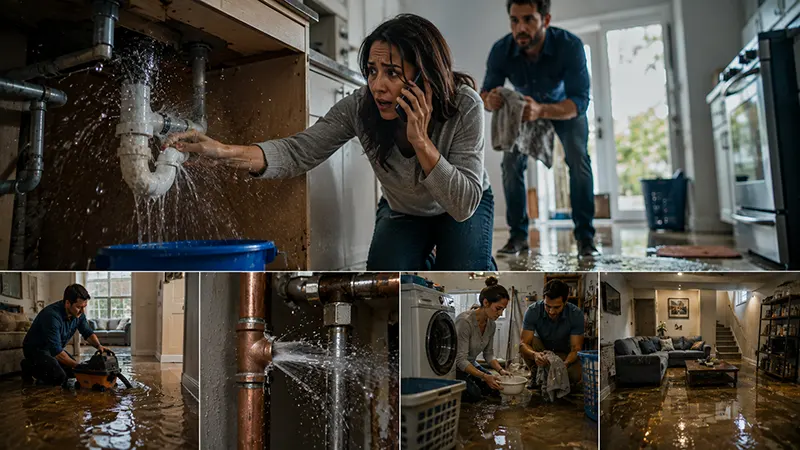
If a pipe suddenly bursts, the first priority is to limit the amount of water entering the home.
If it is safe to do so, shut off the main water supply. Knowing where the main shutoff valve is located before an emergency happens can save valuable time.
Once the water supply is stopped, move valuables and furniture away from the affected area if you can do so safely. If water has reached electrical outlets, appliances, or electrical equipment, avoid contact with the water and leave the electrical work to a qualified professional.
After the immediate water flow has been controlled, contact a plumber to identify the source of the failure and determine what repairs are necessary.
How to Respond to a Serious Leak
Not every leak requires the same response. A dripping faucet may be inconvenient, while a leaking water supply line can release a large amount of water within minutes.
If you discover an active leak, try to identify where the water is coming from without putting yourself at risk. Shut off the appropriate water supply if you know how to do so safely.
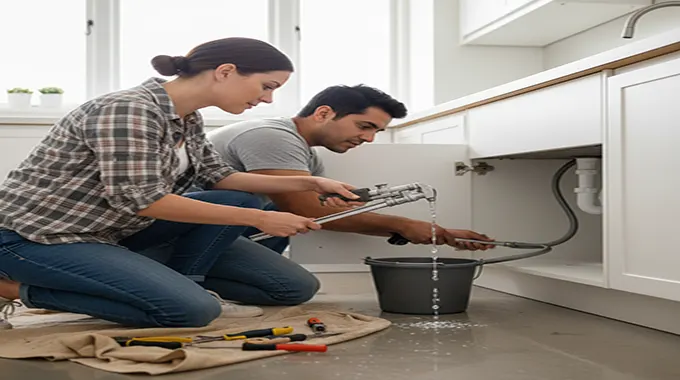
Place containers or towels beneath a manageable leak to limit the spread of water while waiting for professional help. However, don’t rely on temporary measures as a permanent repair.
Leaks inside walls, ceilings, or other concealed areas can be especially difficult to diagnose. If you see unexplained water stains, bubbling paint, damp drywall, or a persistent musty smell, there may be a hidden plumbing leak that needs attention.
Why Hidden Leaks Are Particularly Dangerous
A visible leak gives homeowners a clear indication that something is wrong. Hidden leaks can be much harder to detect.
A pipe inside a wall or beneath flooring may leak for days or weeks before the signs become obvious. By then, moisture may have spread beyond the original location.
Potential warning signs include:
- Unexplained water stains on walls or ceilings.
- Paint or wallpaper that begins to bubble or peel.
- Flooring that becomes warped, swollen, or unusually soft.
- A persistent musty odor in a particular area.
- An unexpected increase in water usage.
- Sounds of running water when fixtures are not being used.
These signs don’t always mean a plumbing leak is responsible, but they are worth investigating rather than ignoring.
Preventing Burst Pipes and Major Leaks
Some plumbing emergencies can be reduced through regular maintenance and awareness. During periods of freezing weather, exposed pipes should be protected from extreme cold. Pipes in unheated areas such as garages, crawl spaces, and exterior walls may be particularly vulnerable.
It’s also worth paying attention to the age and condition of your plumbing system. Corrosion, recurring leaks, and deteriorating connections can indicate that certain components may need repair or replacement.
Avoid putting excessive strain on plumbing fixtures and address minor leaks when you first notice them. A small repair may be much easier than dealing with extensive water damage later.
Knowing the location of your main water shutoff valve is another simple but important preparation step. Every member of the household who may need to respond during an emergency should know where it is and how it works.
When You Need Emergency Plumbing Help
Some plumbing problems can wait for a scheduled appointment, but certain situations require immediate attention.
A rapidly spreading leak, burst pipe, significant water backup, or uncontrolled water flow can continue causing damage while you wait. Problems involving sewage or contaminated water also require careful handling because of the potential health risks.
If you cannot safely stop the water or determine the source of a serious leak, professional assistance is the safest option.
The sooner the source of the problem is identified and repaired, the sooner you can begin dealing with any water that has already entered the home.
What Happens After a Plumbing Disaster?
Stopping the leak is only the beginning. Once the plumbing problem has been repaired, the affected area should be assessed for water damage.
Wet materials may need to be dried quickly to reduce the risk of longer-term problems. Flooring, drywall, insulation, cabinetry, and other materials can respond differently to moisture, so the appropriate cleanup process depends on the situation.
If water has reached electrical components, don’t attempt to restore power or handle damaged equipment yourself. Have the area evaluated by an appropriately qualified professional.
Keeping records and photographs of visible damage may also be useful when documenting the incident for your insurance company.
Conclusion
Burst pipes, major leaks, and flooding can cause extensive damage when they’re left unchecked. While it’s impossible to predict every plumbing emergency, knowing where your main shutoff valve is, recognising warning signs, and responding quickly can make a meaningful difference.
Regular maintenance can also help identify deteriorating pipes, damaged connections, and other potential problems before they become emergencies. When a serious leak or plumbing failure occurs, professional help can address the source of the problem and help prevent further damage.
A fast response won’t always prevent every consequence of a plumbing disaster, but acting quickly can give you a much better chance of protecting your home and limiting the disruption.