Maintaining your home’s Heating, Ventilation, and Air Conditioning (HVAC) system isn’t just about preventing costly breakdowns—it’s one of the most effective ways to lower your energy bills. A well-maintained system operates efficiently, using less power to heat and cool your home. In fact, studies show that routine, proactive maintenance can reduce your HVAC energy use by up to 30%.
1. The Power of a Clean Filter
This is the simplest and most crucial step you can take. A dirty, clogged air filter restricts airflow, forcing your HVAC system to work harder to circulate air throughout your home. This increased strain not only consumes more energy but also puts unnecessary wear and tear on your equipment.
- Tip: Check your air filter monthly, especially during peak heating and cooling seasons. Depending on your system and living conditions (e.g., pets, allergies), you may need to replace it every 1-3 months. Simply replacing a dirty filter can improve your unit’s efficiency by 5% to 15%.
2. Keep Outdoor Units Clear and Clean
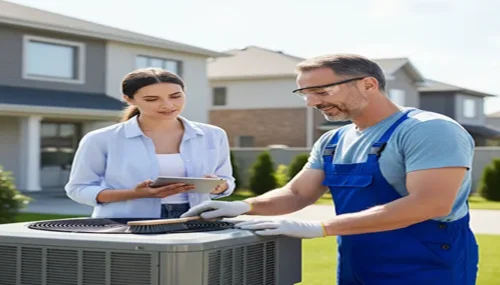
Your outdoor AC unit (the condenser) and heat pump need to breathe. If the coils are blocked with dirt, leaves, grass clippings, or other debris, they can’t effectively release heat.
- Tip: Annually, make sure the area around your outdoor unit is clear. Trim back shrubs and landscaping at least two to three feet away. Before a new season begins, use a soft brush or a garden hose (on a gentle setting) to carefully clean the fins and coils. Always turn off the power to the unit before you begin cleaning.
3. Clear the Condensate Drain Line
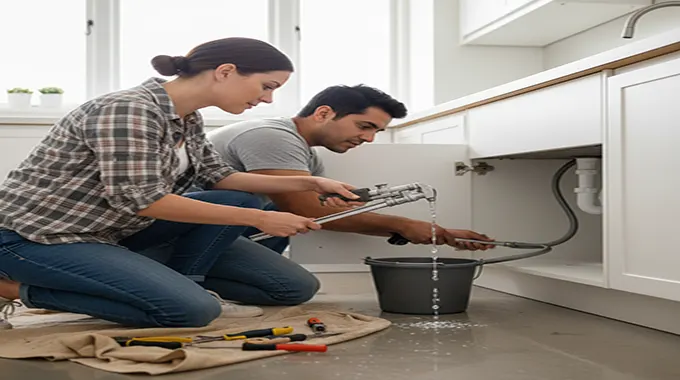
During the cooling process, your AC unit produces condensation (water). This water is collected in a pan and drained away through a small pipe. If this drain line gets clogged with algae or debris, it can cause water to back up, leading to a system shutdown or even water damage.
- Tip: Check the condensate drain line regularly for clogs. You can often prevent issues by pouring a cup of distilled vinegar or a mild bleach solution down the line a few times a year.
4. Schedule Regular Professional Tune-Ups
While there’s a lot you can do yourself, a professional tune-up is an investment that pays for itself. An HVAC technician can identify and fix minor issues before they become major, expensive problems.
- Tip: Schedule a professional service call twice a year—once in the spring before the cooling season and again in the fall before the heating season. During these visits, a technician will clean and inspect the unit’s internal components, check refrigerant levels, lubricate moving parts, and ensure the system is running at its peak efficiency.
5. Seal Leaks in Ducts and Around Your Home
Air leaks are a major source of energy waste. Holes or gaps in your ductwork can allow up to 20% of your conditioned air to escape into uninsulated areas like your attic or crawlspace. Similarly, drafts around windows and doors make your HVAC system work harder to maintain a consistent temperature.
- Tip: Inspect your ductwork for any obvious signs of damage or disconnection. Use mastic sealant or metal tape to seal any leaks you find. Also, use caulk and weatherstripping to seal drafts around your home.
6. Optimize Your Thermostat Settings
Your thermostat is the command center of your HVAC system. Using it strategically can lead to significant savings.
- Tip: Install a programmable or smart thermostat. These devices allow you to set different temperatures for different times of day (e.g., warmer when you’re away at work, cooler when you’re home) and can reduce your energy consumption by up to 10% annually. The U.S. Department of Energy recommends a setting of 78°F in the summer and 68°F in the winter for optimal savings.