How to Maintain Hardwood Floors for Long-Term Durability

How to Maintain Hardwood Floors for Long-Term Durability

Hardwood floors are a timeless and elegant flooring option that can add warmth and beauty to any home. To ensure your hardwood floors remain in top condition and retain their durability for years to come, it’s essential to follow a proper maintenance routine. Here are some key tips on how to maintain hardwood floors for long-term durability:

1. Regular Cleaning

  • Sweep or vacuum frequently: Remove dirt, dust, and debris regularly to prevent scratches and wear on the wood surface.
  • Use a damp mop: Clean the floors with a damp mop and a hardwood floor cleaner recommended by the manufacturer.
  • Avoid excess moisture: Do not use excessive water when cleaning hardwood floors, as it can damage the wood and cause warping.

2. Preventive Measures

  • Use rugs and mats: Place rugs or mats in high-traffic areas and entryways to protect the hardwood floors from scratches and dents.
  • Furniture pads: Attach felt pads
View More How to Maintain Hardwood Floors for Long-Term Durability
Affordable Home Repair Solutions for Water-Damaged Ceilings

Affordable Home Repair Solutions for Water-Damaged Ceilings

Water damage to ceilings can be a distressing issue for homeowners, often caused by leaks from plumbing issues, roof damage, or heavy rainfall. Not only can it be unsightly, but it can also lead to structural damage and the potential growth of mold and mildew. However, there are affordable home repair solutions that can effectively address water-damaged ceilings without breaking the bank. Here are some budget-friendly options to consider:

1. Identify and Fix the Source of the Water Leak

Before repairing the damaged ceiling, it’s crucial to identify and address the source of the water leak to prevent further damage. This may involve fixing a leaky roof, repairing damaged plumbing, or sealing gaps and cracks that are allowing water to seep in.

2. Assess the Extent of the Damage

Once the source of the water leak has been addressed, assess the extent of the damage to the ceiling. Determine if …

View More Affordable Home Repair Solutions for Water-Damaged Ceilings
Seasonal Home Maintenance Checklist for the Winter Months

Seasonal Home Maintenance Checklist for the Winter Months

As the winter months approach, it’s essential for homeowners to prepare their homes for the colder weather and potential hazards that come with it. To ensure your home remains safe, warm, and efficient during the winter season, we have compiled a comprehensive seasonal home maintenance checklist for you to follow:

1. Inspect and Clean Your Heating System

  • Check the furnace: Schedule a professional inspection of your furnace to ensure it is clean, in good working condition, and not emitting carbon monoxide.
  • Replace filters: Clean or replace air filters in your HVAC system to improve efficiency and air quality.
  • Programmable thermostat: Consider installing a programmable thermostat to regulate temperature and save on energy costs.

2. Protect Your Plumbing

  • Insulate pipes: Wrap exposed pipes with insulation to prevent freezing and potential bursts.
  • Clean gutters: Clear gutters of leaves and debris to allow proper drainage and prevent ice dams.
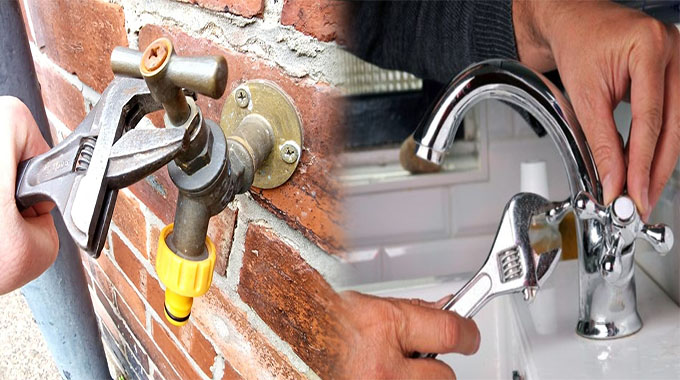
  • Shut off outdoor faucets:
View More Seasonal Home Maintenance Checklist for the Winter Months
Best DIY Bathroom Tile Repair Techniques for Beginners

Best DIY Bathroom Tile Repair Techniques for Beginners

If you have cracked or damaged bathroom tiles, repairing them yourself can be a cost-effective solution that doesn’t require professional assistance. With some basic tools and a little know-how, beginners can successfully tackle bathroom tile repairs. Here are the best DIY techniques for repairing bathroom tiles, specifically designed for those new to tile repair.

1. Assess and Prepare

Before starting any repairs, assess the damage to determine the scope of the repair. Note any loose or damaged tiles that need attention. Gather the necessary tools such as a grout saw, putty knife, tile adhesive, replacement tiles, grout, and a sponge.

2. Removing Damaged Tiles

To remove damaged tiles, follow these steps:

  • Use a grout saw to carefully remove the grout surrounding the damaged tile. Be patient and gentle to avoid damaging neighboring tiles.
  • Once the grout is removed, insert a putty knife under the tile and gently pry it away
View More Best DIY Bathroom Tile Repair Techniques for Beginners
DIY Home Repair Tips for Fixing Common Plumbing Issues

DIY Home Repair Tips for Fixing Common Plumbing Issues

When it comes to maintaining your home, encountering plumbing issues is almost inevitable. While it can be tempting to immediately call a professional plumber, there are several common plumbing issues that you can fix yourself with the right tools and knowledge. In this article, we will provide you with some DIY home repair tips for fixing common plumbing issues.

1. Unclogging a Drain

One of the most common plumbing issues homeowners face is a clogged drain. To unclog a drain, you can try using a plunger or a drain snake. Simply place the plunger over the drain and plunge up and down vigorously to dislodge the blockage. If that doesn’t work, use a drain snake to physically remove the clog.

2. Fixing a Leaky Faucet

A leaky faucet can be both annoying and wasteful. To fix a leaky faucet, start by turning off the water supply to the faucet. Then, …

View More DIY Home Repair Tips for Fixing Common Plumbing Issues