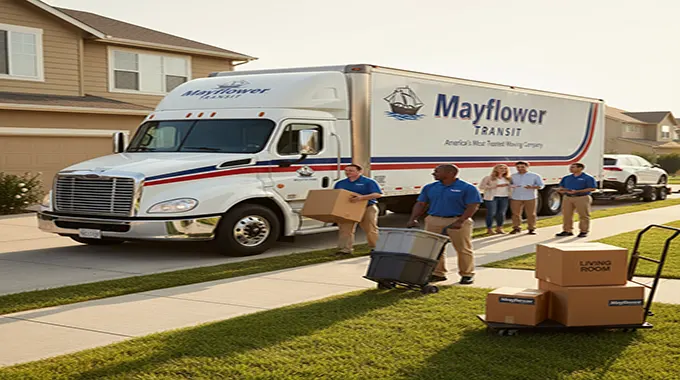

Moving can be one of life’s most stressful events, but hiring professional movers can significantly lighten the load. For a local apartment move, the cost is typically more manageable than a long-distance one, as companies often charge by the hour rather than by weight and distance. However, several factors can influence the final price.
How Much Do Professional Movers Cost?
The national average for hiring professional movers for a local apartment move typically falls within a broad range, from around $300 to $1,500. This wide range is due to several variables that are unique to each move.
For local moves, which are generally defined as being within a 100-mile radius, companies primarily charge an hourly rate. This rate is usually based on the number of movers and the size of the truck needed. On average, you can expect to pay anywhere from $25 to $50 per hour per mover.
Here’s a general cost breakdown based on the size of your apartment:
- Studio or 1-Bedroom Apartment: A move of this size typically requires two movers and takes about 3 to 5 hours. The total cost is often in the $300 – $500 range.
- 2-Bedroom Apartment: For a two-bedroom apartment, you’ll likely need a crew of three movers for 5 to 7 hours. The average cost is around $600 – $900.
- 3-Bedroom Apartment: Larger apartments or homes may require four movers and take 8 or more hours, with costs starting at $1,200 and going up from there.
Key Factors That Influence Your Moving Bill
While the hourly rate is the foundation of your bill, several other factors can significantly increase or decrease the final cost.
- Number of Belongings: The amount of stuff you have is the biggest cost driver. More items mean more time for packing, loading, and unloading. To save money, it’s wise to declutter and get rid of anything you don’t need before the move.
- Travel Time: Even for a local move, most companies charge for the time it takes to travel from their office to your old apartment, between the old and new apartments, and back to their office.
- Additional Services: Do-it-yourself moves are cheaper, but if you need help with packing, unpacking, or furniture disassembly and reassembly, the cost will go up. While convenient, these services can add hundreds of dollars to your bill.
- Specialty Items: Moving large, heavy, or fragile items like pianos, safes, or antique furniture often incurs a separate fee due to the specialized equipment and extra labor required.
- Access Issues: The presence of stairs, long walking distances from the apartment to the truck, or a lack of an elevator can all result in additional fees. Be sure to mention these details when getting a quote.
- Timing: The time of year, month, and even the day of the week can affect the price. Moving during the peak season (summer, holidays) or on weekends is typically more expensive due to higher demand. If your schedule is flexible, aim for a mid-week, off-season move.
- Packing Supplies: The cost of boxes, tape, bubble wrap, and other materials is not always included in the moving quote. Some companies provide them for an extra charge, or you can purchase them yourself to save money.
How to Get an Accurate Estimate
To avoid surprises on moving day, follow these steps to get a reliable quote:
- Get Multiple Quotes: Contact at least three different movers and request a detailed, written estimate.
- Request an On-Site or Video Survey: A professional mover should be willing to do a virtual or in-person walk-through of your apartment to accurately assess the volume of your belongings and any potential challenges.
- Read the Fine Print: Carefully review the contract. Ensure the quote is “binding” or “binding not to exceed,” which means the final price won’t increase beyond the agreed-upon amount.
By doing your research and being upfront about your needs, you can find a professional moving company that fits your budget and makes your local apartment move a smooth experience.