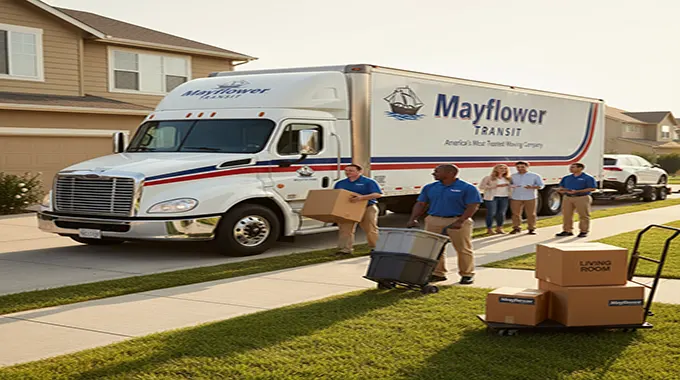

Navigating a cross-country move is a monumental task, and one of the most common challenges is figuring out where to put your belongings when your new home isn’t ready. Whether you’re waiting for a lease to begin, a house to close, or simply need time to settle in, temporary storage is often a necessity. The good news is that you have several affordable options to choose from.
Understanding Your Storage Options
Before you can find the best deal, you need to know the types of temporary storage available. Each comes with its own set of pros and cons, especially regarding cost and convenience.
- Portable Storage Containers: These are large, weather-resistant containers delivered to your home. You pack them at your own pace, and when you’re ready, the company picks them up and transports them to your new location or a secure storage facility.
- Pros: Highly convenient as you only have to load and unload once. No need to rent and drive a separate truck.
- Cons: Can have higher upfront costs, including delivery and pickup fees. You may also need to check local regulations or HOA rules about keeping a container in your driveway.
- Traditional Self-Storage Units: You rent a unit at a storage facility and are responsible for transporting your belongings to and from the unit.
- Pros: Generally the most affordable option on a month-to-month basis. Many facilities offer flexible, month-to-month leases.
- Cons: Requires you to rent a moving truck and handle all the transportation and labor, meaning you’ll be loading and unloading your items twice.
- Storage-in-Transit (SIT) with a Moving Company: If you’re using a full-service moving company, they may offer a short-term storage solution. Your belongings are kept in their secure warehouse until your new home is ready for delivery.
- Pros: A hands-off, convenient solution. The movers handle all the labor for you.
- Cons: Often the most expensive option. Access to your belongings is limited and may require an appointment and a fee.
Strategies for Finding an Affordable Solution
No matter which type of storage you choose, these tips will help you keep costs down.
- Get Multiple Quotes: This is the golden rule for any moving service. Contact at least three different companies for estimates. Be sure to get a detailed, written quote that includes all fees, such as delivery, transportation, and monthly storage costs. Some companies may waive delivery fees if you commit to a certain rental period.
- Choose the Right Size: Avoid paying for space you don’t need. Most storage companies have online calculators or guides to help you determine the right size unit or container for your belongings. When in doubt, it’s often safer to go slightly larger than you think you’ll need to avoid having to rent a second unit.
- Time Your Move Wisely: Moving during the off-season (fall and winter) or mid-month/mid-week can lead to significant savings. Demand for moving and storage services is highest in the summer, which drives up prices.
- Prioritize and Declutter: The less you have to store, the less you’ll pay. Before you pack a single box, go through your belongings and get rid of anything you don’t need. Donate, sell, or discard items that aren’t essential for your new life. This reduces the number of containers or the size of the unit you’ll need.
- Look for Promotions and Discounts: Many storage companies, especially traditional self-storage facilities, offer first-month free or other promotional rates. Be sure to read the fine print, as these prices often increase after the promotional period ends. Also, ask if they offer discounts for students, military personnel, or AAA members.
- Consider a Hybrid Approach: If you’re on a tight budget, a hybrid solution might be best. You can pack everything yourself, use a portable container company for long-distance transport and storage, and then hire local hourly movers to help you load and unload the container at either end.
Final Checkpoints
- Security: Ensure the facility or container company has strong security measures like surveillance cameras, gated access, and proper lighting.
- Climate Control: If you are storing items sensitive to temperature and humidity (e.g., wooden furniture, electronics, antiques), a climate-controlled unit is worth the extra cost to prevent damage.
- Insurance: Most storage companies require you to have insurance. Check if your homeowner’s or renter’s policy covers your belongings in storage. If not, you can purchase coverage through the storage provider.
By carefully planning, comparing options, and decluttering, you can find an affordable temporary storage solution that makes your cross-country move a less stressful and more organized experience.